Family and Domestic Safety | A Community of Care for Every Family
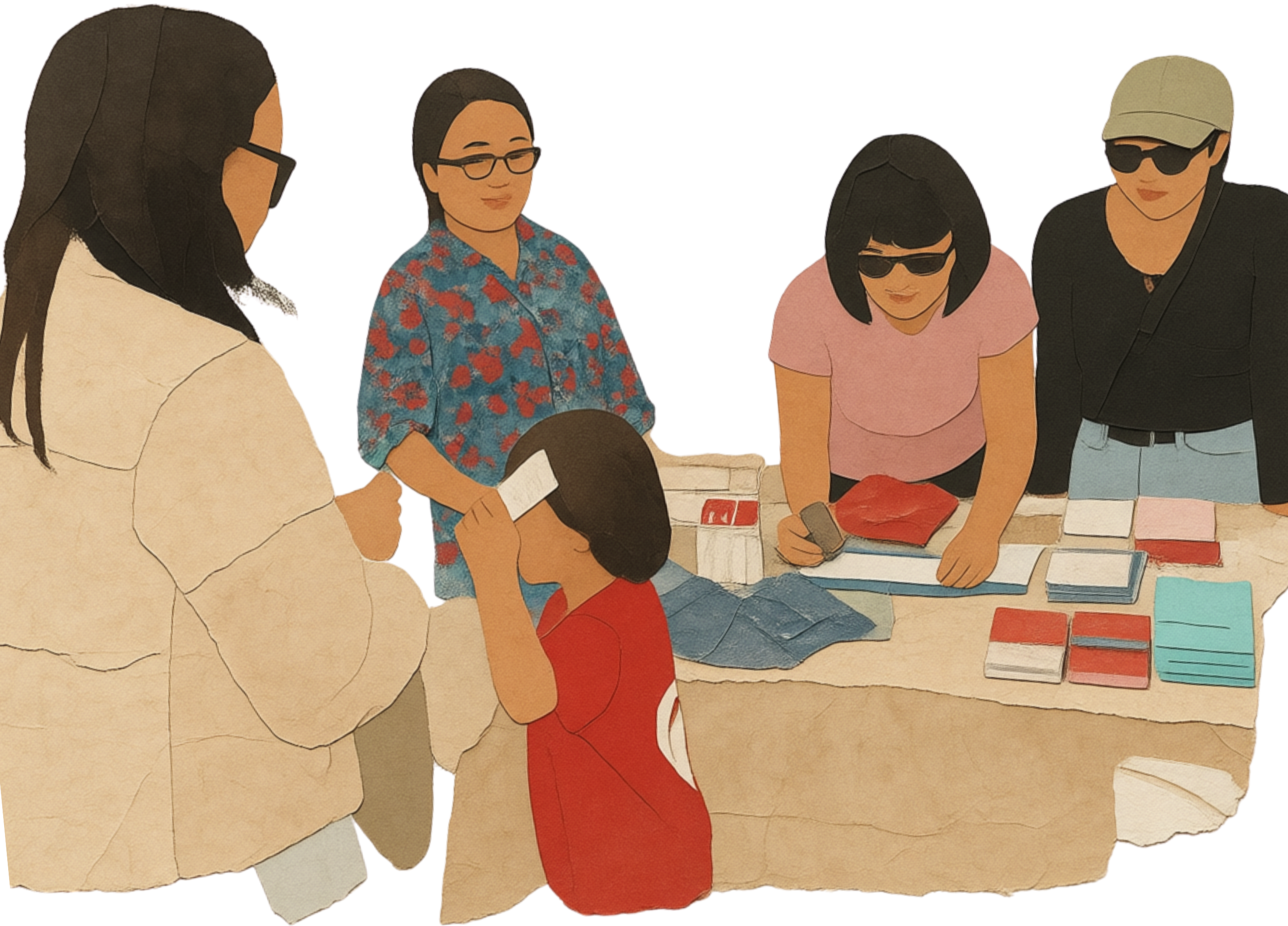
Family safety in the Korean American community is a complex tapestry of hidden needs. From the cultural silence surrounding gender based violence to the unique challenges faced by foster youth, adoptees, and families navigating developmental disabilities, the need for culturally rooted care is urgent. Systemic barriers, language isolation, and socioeconomic stressors often leave our most vulnerable members without a clear path to safety. KACF-SF and our partners work to break these cycles, ensuring that every individual is seen, protected, and empowered.
Resources & Support
If you or a loved one need assistance, please reach out to our trusted partners:
Asian Women’s Shelter 341-205-2215 (Korean Talk Line | Every Tuesday| 9:30 AM - 5 PM)/ Visit AWS’s Website
Asian Americans for Community Involvement 408-975-2739/ Visit AACI’s Website
Bay Area Korean Infoline 844-828-2254 / Visit Maru Center’s Website
Korean American Family Services, Inc. 213-338-0472 (24-Hour Crisis Line, LA)/ Visit KFAM’s Website
The Reality | By the Numbers
The LA District Attorney’s Office has reported that KAs are overrepresented among domestic violence cases, comprising 50% of Asian domestic violence cases in LA courts in 2008.
Elevated risk of gender based violence among Korean Americans is associated with Confucian, patriarchal culture, high rate of children’s exposure to family violence, and socioeconomic and immigration stressors
1 in 6 children in the U.S. are diagnosed with developmental disabilities, with families raising children with intellectual and developmental disabilities facing an additional $30K–$80K in annual costs.
Korean American youth in foster care are part of a small, often overlooked minority (approx. 1% of all U.S. foster children) facing significant challenges, including a severe shortage of culturally appropriate, Korean-speaking foster homes.
Our Partners In Action
Asian Women’s Shelter (AWS)
AWS provides critical support and safe housing for survivors of gender based violence, human trafficking, and other forms of abuse, with a focus on Asian and Pacific Islander communities. AWS offers multilingual and culturally sensitive services, including emergency shelter, legal advocacy, counselling, and support for children. With KACF SF support, AWS launched K PEACE, a specialized advocacy program and a dedicated Korean Talk Line. By strengthening community capacity to address abuse, AWS ensures that every survivor has a trusted voice to turn to in their time of need..
Korean American Special Education Center (KASEC)
KASEC serves as a vital bridge for families raising children with developmental disabilities. Because these families often face the triple burden of language barriers, financial hardship, and complex healthcare systems, KASEC provides the specialized navigation needed to access life-changing services.
Korean American Family Services, Inc. (KFAM)
KFAM provides Korean American victims of violence and transitional-age foster youth with short-term housing and culturally tailored supportive services to promote self-sufficiency and stable housing, including trauma counseling, support groups, legal and medical assistance, family law clinics, child visitation, transportation, case management, child care and art programs, financial empowerment, and workforce development.
Child Advocates of Silicon Valley
Serving children from birth to age 21, Child Advocates provides dedicated support for those in the Santa Clara County Dependency Court System who have experienced abuse, neglect, or abandonment. KACF-SF support ensures that Korean American foster youth receive the personalized advocacy they need to find safety and permanence.
Association of Korean American Adoptees - San Francisco (AKASF)
AKASF is dedicated to supporting, educating, and fostering a deep sense of community for Korean American adoptees and their families. By providing a vital space for shared experience, they inspire adoptees at every stage of their life journeys. KACF-SF support helps AKASF bridge the gap between individual experiences and a broader cultural heritage, ensuring that every member has the resources and connections they need to navigate their unique identity with pride and confidence.