Being Korean is Awesome
What I Learned Through KACF-SF’s Community Grants Committee
Written By Ava B.
Before this year, my connection to being Korean was honestly pretty simple. I don’t speak Korean, and neither does my mom. If you had asked me what connected me most to Korean culture before this year, I probably would have said food.
And honestly? That’s still pretty high on the list.
But this year, through KACF SF’s Community Grants Committee (CGC), I learned that being part of a community can mean a lot more than speaking the language or knowing every cultural tradition.
I got involved because of my mom, who has been connected to KACF-SF for the past couple of years. She’s always talking about the people she meets through the organization. She found a great group through KACF-SF and a network of professional Korean American women. I don’t know much about that group myself, but I know she loves it. Every time she comes home from an event, she has a story about someone she met or something she learned. I never really understood what she meant until I got to see it for myself.
As someone who is part Korean, I’ve always been proud of that side of my identity. At the same time, I never felt especially connected to Korean culture growing up. That’s part of why I was interested in joining CGC. I wanted to feel more connected to my Korean heritage.
One of my first jobs on the committee was reviewing grant applications. This mostly meant sitting down with a giant stack of papers and reading. A lot. There were also sections in Korean, which meant Google Lens became my best friend.
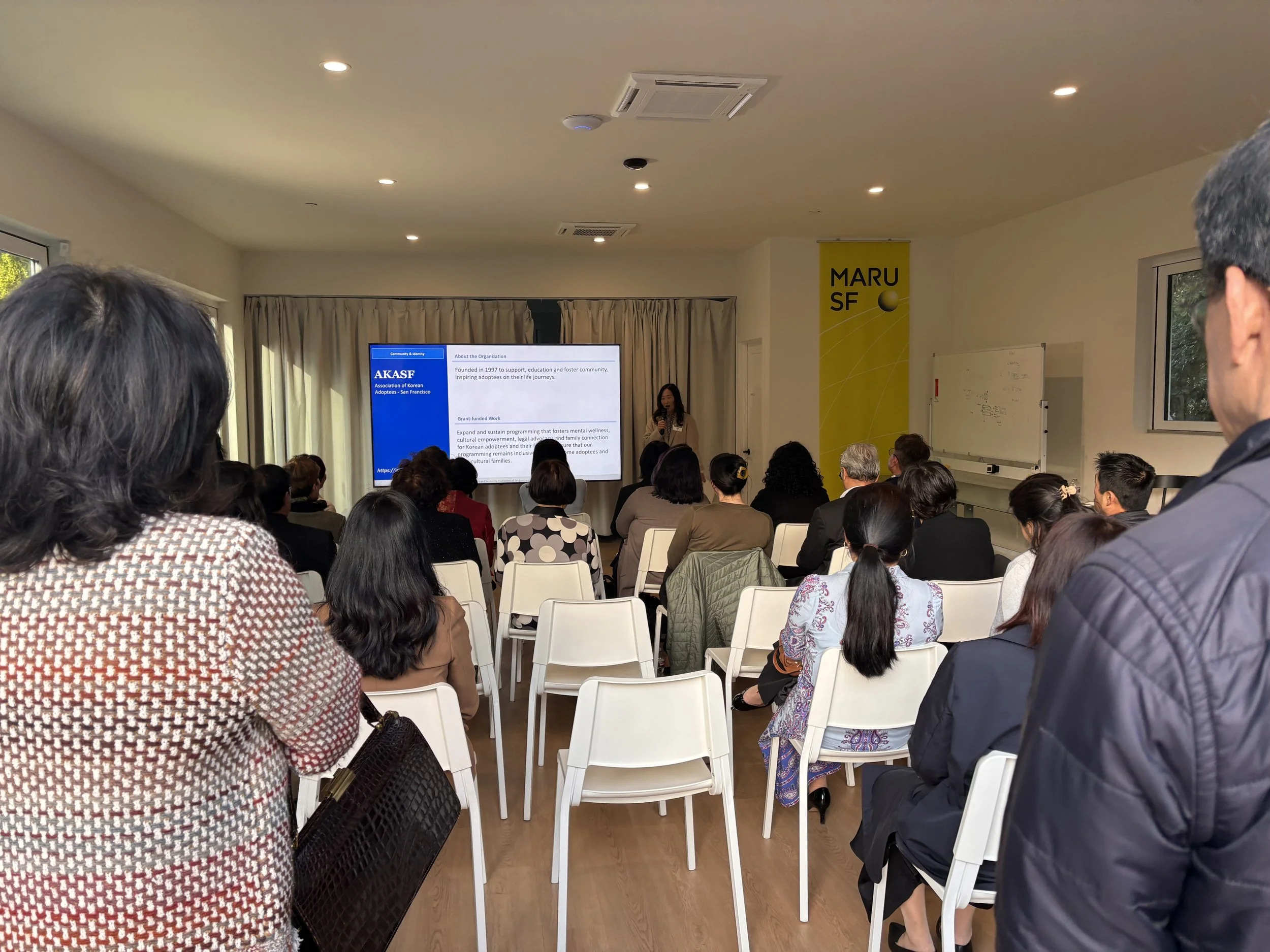
The organizations I reviewed were the National Alliance on Mental Illness (NAMI-SCC) and the Association of Korean American Adoptees San Francisco (AKASF), and both taught me things I never would have learned otherwise.
Reading about NAMI really opened my eyes to the challenges surrounding mental health in some communities. I was surprised by how much stigma still exists and how difficult it can be for people to seek help. Learning about that was honestly pretty heavy, but it also helped me understand why organizations like NAMI are so important.
AKASF introduced me to a completely different topic: Korean adoptees.
I hadn’t realized how many adoptees are looking for ways to reconnect with their heritage. Reading about people attending cultural events because they wanted to learn more about where they came from was really moving.
While I can’t imagine what it’s like to be a Korean adoptee, I could understand the feeling of wanting to learn more about your culture. Reading about AKASF made me realize that was part of the reason I joined CGC in the first place.
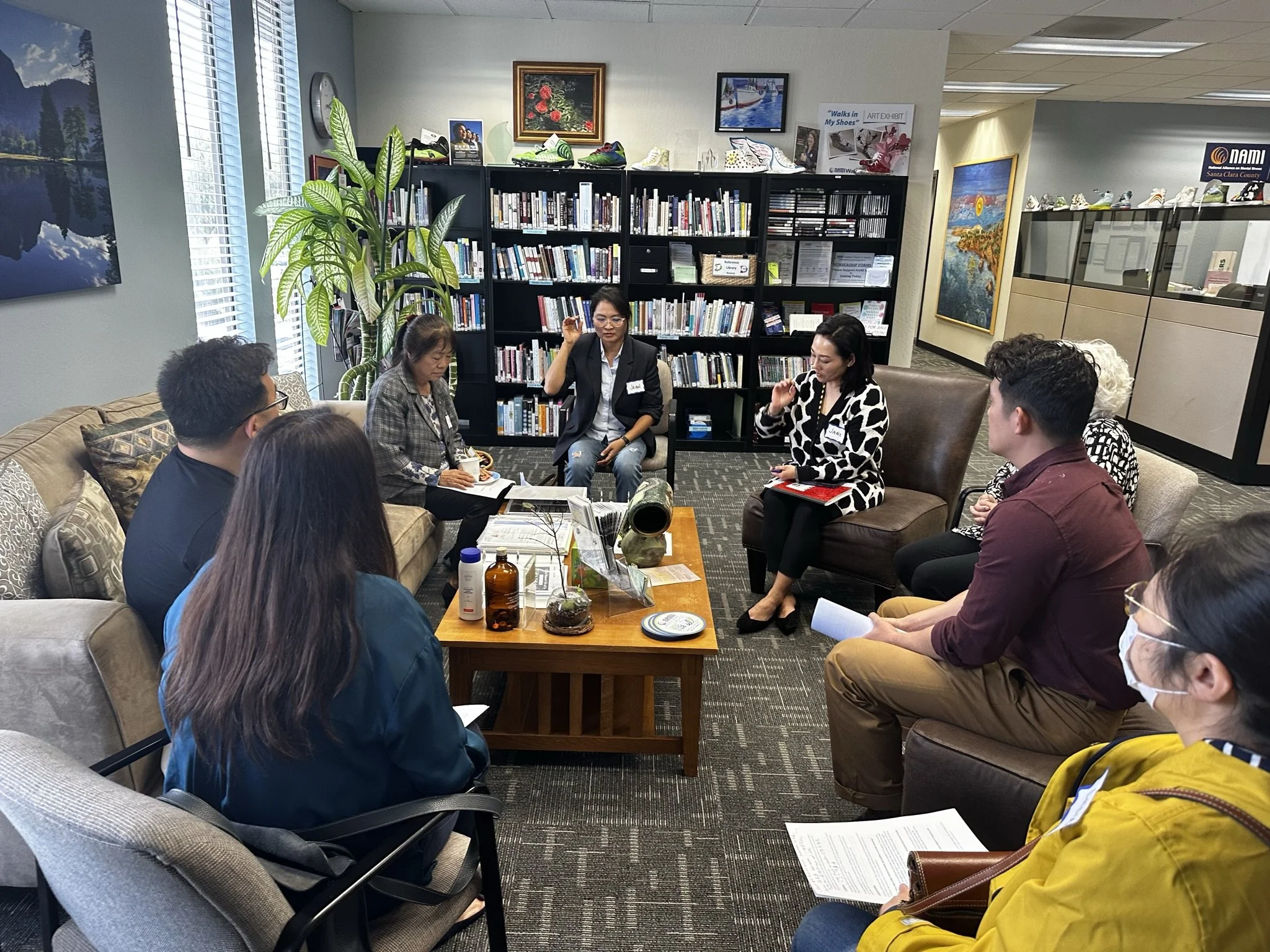
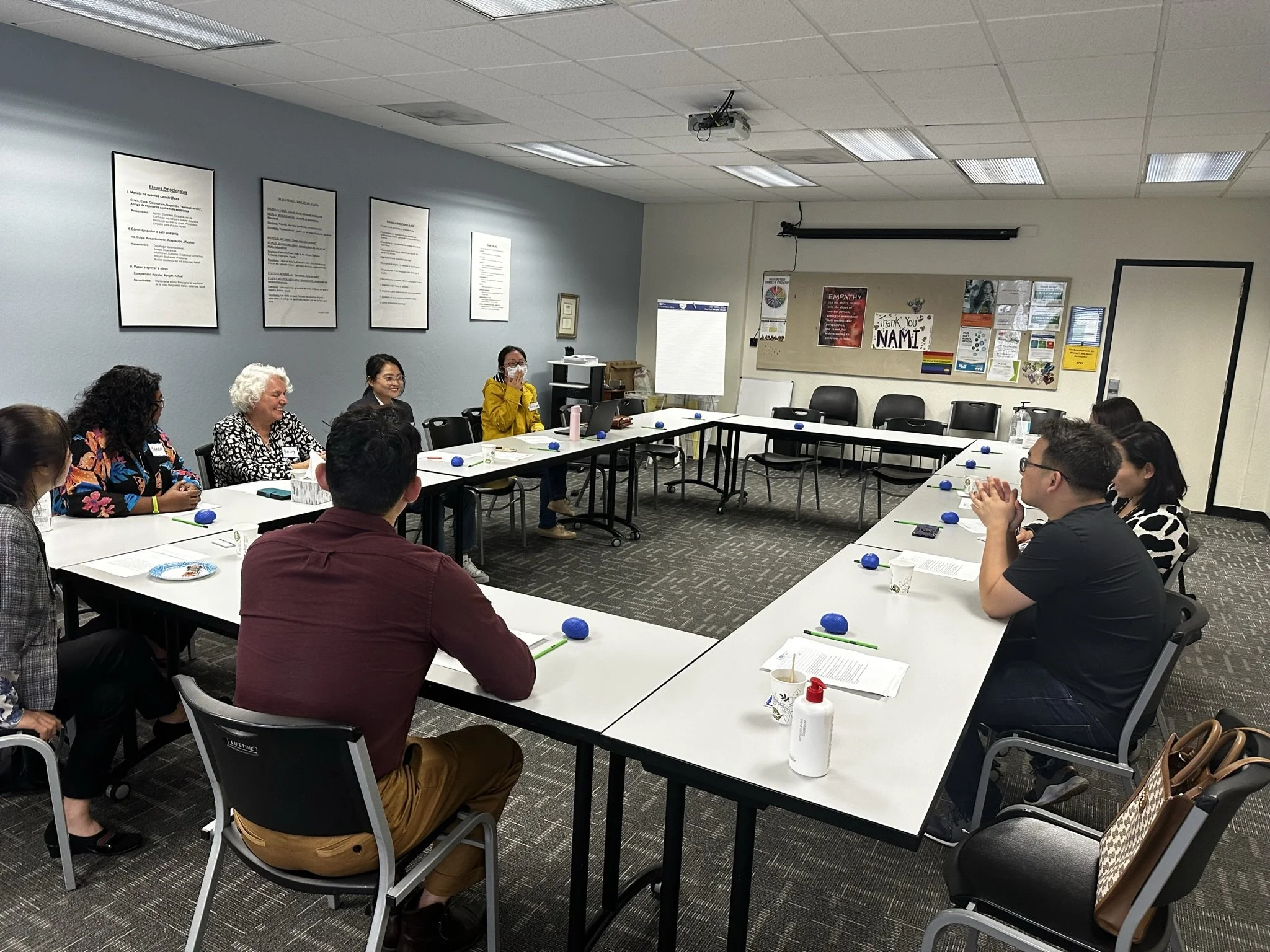
The most memorable part of the year, though, was attending a site visit with NAMI.
I got to sit in on a discussion with community members whose lives had been impacted by the organization. Many were Korean seniors who had either received support themselves or had family members who had benefited from NAMI’s programs. They shared stories about depression, bipolar disorder, and other mental health challenges.
Some spoke only Korean, so I couldn’t understand every word. But honestly, I didn’t need to. The emotion in their voices made it obvious how much these programs meant to them.
I remember leaving that meeting feeling hopeful.
The stories were emotional, but they also showed how much of a difference one organization can make when people genuinely care about helping others. Even now, I still think about some of the stories I heard that day.
The site visit also helped me understand why the funding mattered so much. It was one thing to read about a grant application on paper, but it was another thing entirely to hear directly from the people who would be impacted. Learning about NAMI’s plans to expand outreach and connect more people with support made the purpose of the grant feel real.
As the year went on, I attended the grantee reception and eventually the 2026 Hana Gala, where everything came full circle.
It was amazing seeing all of the organizations together and hearing about the impact they were making. I also got to learn about organizations that I hadn’t reviewed myself. One thing that stood out to me was how passionate everyone was. The presentations weren’t just a series of slides and numbers. People genuinely cared about the work they were doing and who they’d served.
The Hana Gala was an incredible way to end the experience. For the first time, I got to see the other side of the process: where the funding comes from and the people who make the grants possible. I also started recognizing familiar faces from earlier events, which made me realize that everything really was connected.
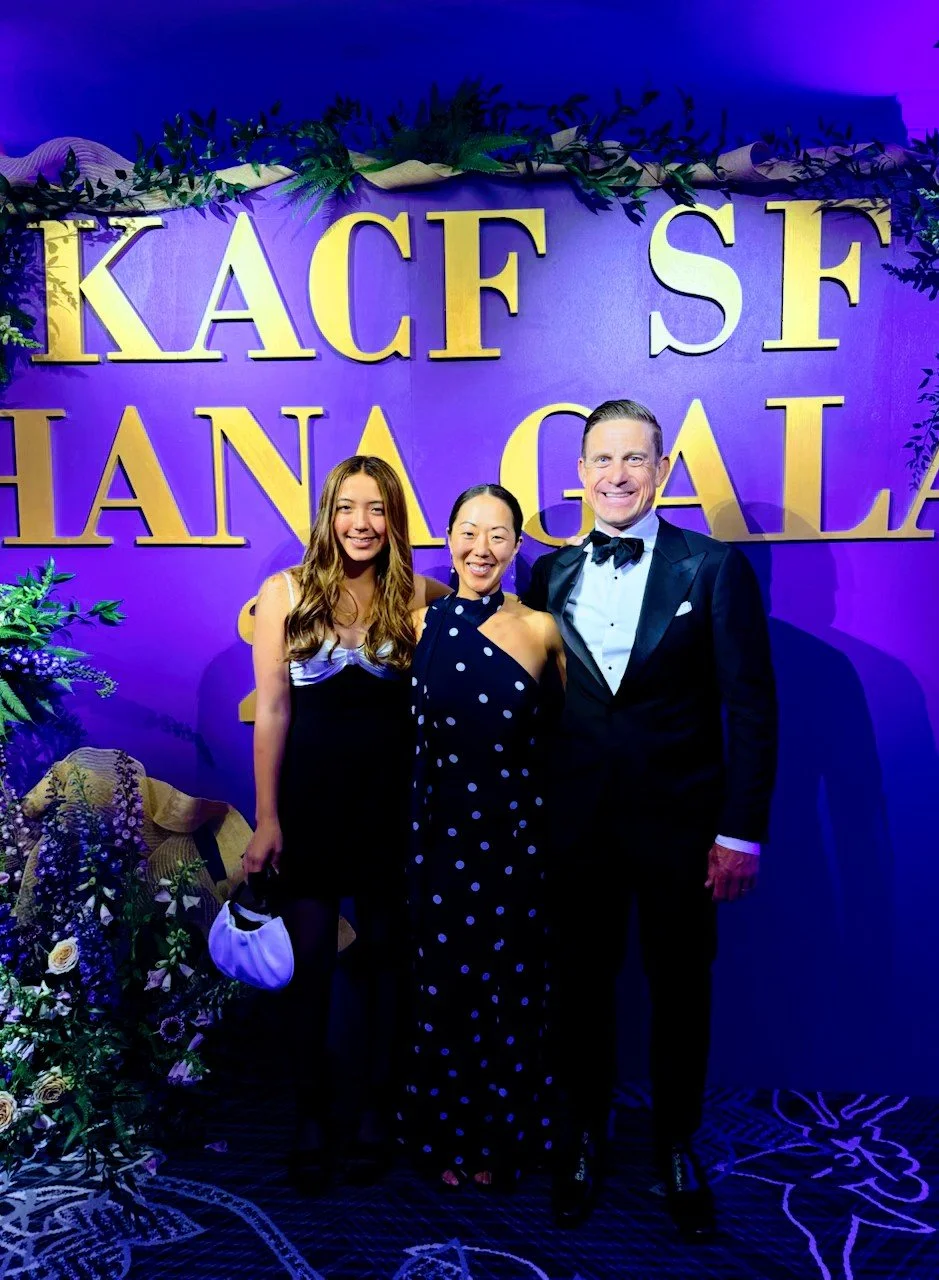
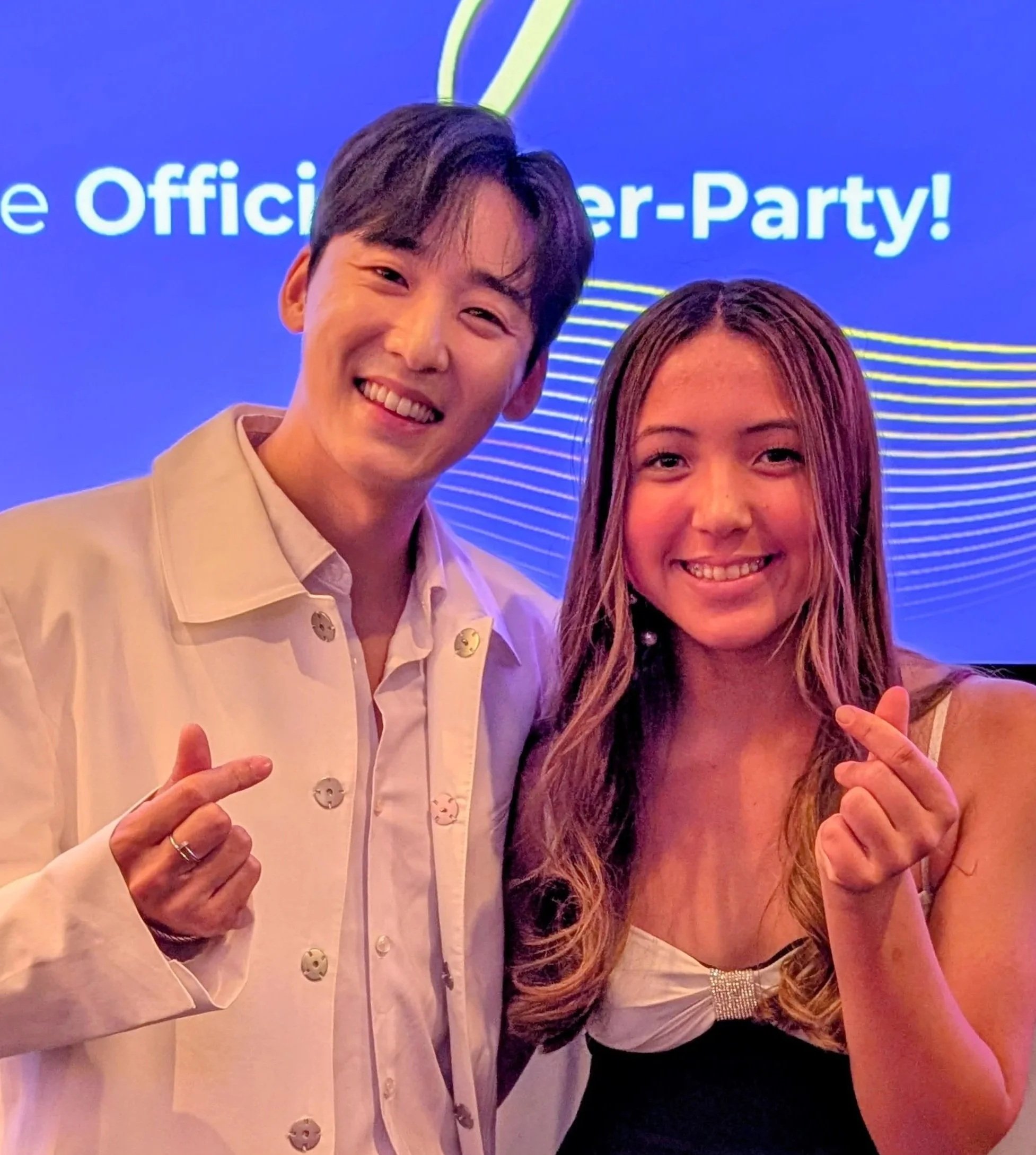
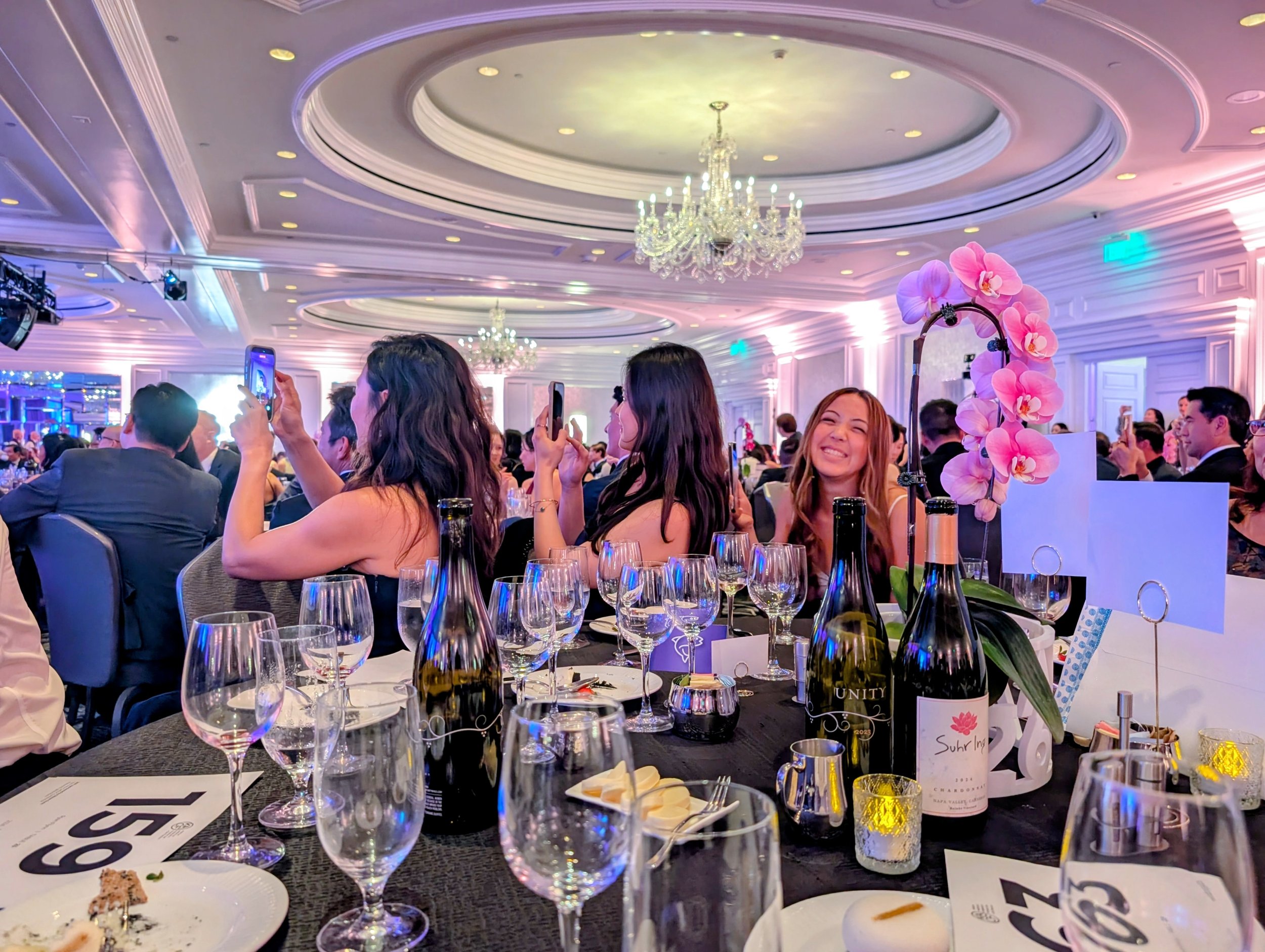
I was especially excited to see that the fundraising efforts went well beyond their goal! Watching everyone celebrate was really heartwarming. And yes, one of my favorite moments was seeing Kevin Woo perform. As the voice of Mystery Saja in KPop Demon Hunters (one of my favorite movies), I was already excited he would be there. Hearing him perform live was even cooler.
But what stuck with me the most wasn't a specific event—it was the people. Everyone I met, whether they were sharing their own experiences, leading a nonprofit, or volunteering their time, truly cared about helping others and making a positive impact.
I joined CGC because I wanted to learn more about my Korean heritage and feel more connected to it. Instead, I found an amazing community of people who are dedicated to supporting and uplifting others. I learned about issues I had never really considered before, met people who inspired me, and developed a much stronger appreciation for the Korean American community around me.
And if there’s one thing this experience confirmed, it’s this:
Being Korean is awesome.